The rise and transformation of gambling through history
Ancient Origins of Gambling
The origins of gambling can be traced back thousands of years, with evidence found in ancient civilizations such as China, Egypt, and Rome. Archaeological findings suggest that rudimentary forms of gambling were present as early as 3000 BC, where Chinese documents referenced games of chance. These early activities often involved the use of dice made from bones or stones, and they were popular in various cultures, highlighting humanity’s intrinsic attraction to risk and reward. Today, you might explore the best forex brokers for trading insights that mirror this timeless quest for winning fortunes.
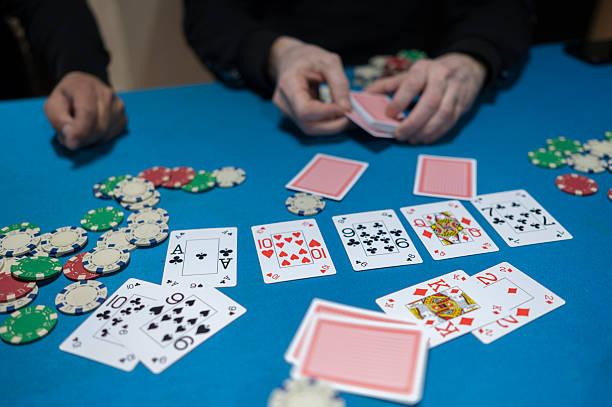
In ancient Egypt, gambling was documented through hieroglyphs that depicted dice games and betting on events, suggesting a well-established pastime. Romans embraced gambling as a key part of their culture, with citizens wagering on gladiatorial contests and chariot races. The popularity of these activities points to gambling as a social connector, uniting people in the thrill of competition and chance, a theme that would persist throughout history.
The religious implications of gambling during these times are also noteworthy. Many societies viewed games of chance as divine interactions, where outcomes could reflect favor from the gods. This intertwining of spirituality and gambling laid the groundwork for its acceptance in various cultures, shaping the perception of luck and fate that remains significant in gambling today.
The Middle Ages and Regulation
The Middle Ages saw a shift in the perception of gambling, as various European countries began to impose regulations on the activity. Gambling was often associated with moral decay, prompting authorities to implement laws aimed at controlling its practice. For instance, in England, King Henry VIII enacted regulations to curb the rampant gambling on cards and dice, illustrating the tension between societal values and personal freedom in gaming.
Despite these restrictions, gambling persisted and even flourished in clandestine settings, such as taverns and private homes. The era also witnessed the emergence of lottery systems, which were often utilized to fund public projects. These lotteries provided a legal avenue for gambling while simultaneously serving societal needs, revealing the duality of gambling as both a leisure activity and a source of revenue.
The development of gaming houses and the rise of organized gambling during this period marked a significant transformation. By the end of the Middle Ages, various forms of gambling had become entrenched in society, leading to the establishment of formalized gambling establishments that catered to the increasing demand. This set the stage for the modern gambling industry that would evolve in the following centuries.
The Birth of Modern Gambling
The 17th and 18th centuries were pivotal in the evolution of gambling, especially with the establishment of casinos in Europe. The first official casino, the Casino di Venezia, opened its doors in Italy in 1638, setting a standard for luxurious gambling environments. The rise of these establishments was closely tied to the social elite, who used gambling as a form of entertainment and status symbol, thereby elevating its cultural significance.
During this time, innovations such as the roulette wheel and card games like poker began to gain popularity, leading to the standardization of rules and gameplay. This period also marked the birth of sports betting, which saw gamblers placing wagers on everything from horse racing to boxing matches. This diversification of gambling activities catered to different audiences, making it more accessible and appealing to a wider range of individuals.
Moreover, the Enlightenment period brought about a shift in attitudes towards chance and risk, with many viewing gambling as a game of skill rather than pure luck. This change in perspective helped to further legitimize gambling, allowing it to flourish in various societal segments. The transformations of this era laid a robust foundation for the gambling landscape we recognize today, blending opulence with the thrill of uncertainty.
The Digital Revolution and Online Gambling
The late 20th century ushered in the digital age, revolutionizing the gambling industry through technology. The advent of the internet in the 1990s allowed online gambling to emerge, creating a new platform for players worldwide. Online casinos and sports betting websites began to proliferate, offering users the convenience of gambling from the comfort of their homes. This shift democratized access to gambling, reaching a global audience and significantly increasing participation rates.
The development of mobile technology further transformed the landscape, enabling gamblers to place bets on-the-go through smartphones and tablets. This accessibility not only expanded the player base but also led to innovations in game design, with interactive features and live dealer options enhancing the user experience. As the technology evolved, so did the types of games available, catering to both traditional preferences and newer trends.
However, this rapid growth also raised concerns regarding regulation and responsible gambling practices. As online gambling became mainstream, various governments sought to implement regulations to protect players and ensure fair practices. The emergence of responsible gambling initiatives reflects a growing awareness of the potential risks associated with gambling, emphasizing the importance of maintaining a balanced and informed approach to this age-old activity.
Gambling in Popular Media and Entertainment
Gambling’s evolution is not only reflected in its historical practices but also in its representation in popular media and entertainment. Movies, television shows, and literature have long portrayed gambling as an exciting and dramatic endeavor. From classic films like “Casino Royale” to modern series such as “Breaking Bad,” gambling serves as a backdrop for exploring themes of risk, morality, and human behavior, captivating audiences across generations.
The intertwining of gambling with pop culture has also contributed to its normalization and acceptance in society. Video games have incorporated gambling elements, from loot boxes to casino-style games, appealing to younger audiences and further integrating gambling into everyday entertainment. This crossover has blurred the lines between casual gaming and gambling, leading to important discussions about ethics and responsibility in entertainment.
As gambling continues to evolve alongside cultural trends, it remains a subject of fascination. The portrayal of gambling in popular media often reflects societal attitudes, revealing both the allure of chance and the dangers of addiction. This duality emphasizes the need for responsible consumption and awareness, as the lines between entertainment and gambling become increasingly intertwined in contemporary society.

Your Source for Gambling Insights
At our website, we strive to provide comprehensive insights into the ever-evolving world of gambling. Whether you are a seasoned player or a newcomer, our resources offer valuable information on trends, regulations, and responsible gambling practices. We aim to empower our readers to make informed decisions and enjoy their gaming experiences safely.
With a focus on the historical context and modern developments in gambling, our articles serve as a guide through the complex landscape of this multifaceted industry. Stay updated with the latest news and trends, and explore our in-depth analyses to enhance your understanding of gambling’s place in society.